The Strongest Battlegrounds Character Interactions Explained
Know which ultimates and skills trigger cinematic clashes so your converts are not surprises.
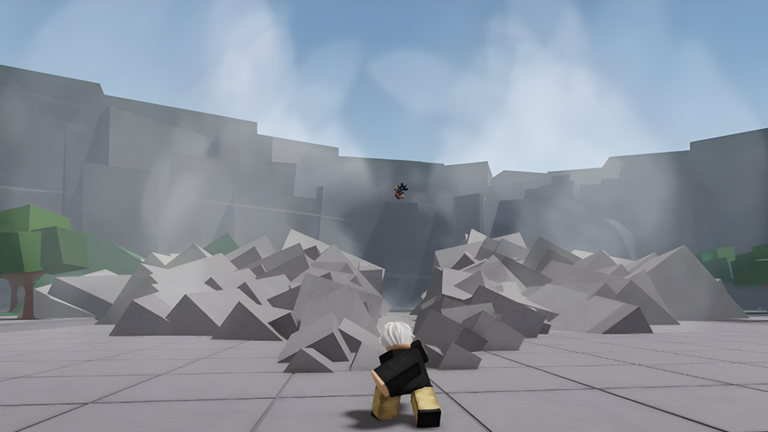
The Strongest Battlegrounds loves spectacle. Certain character pairs trigger special interactions—short cinematic sequences—when ultimates activate near each other or when specific skills collide. These moments are cool for clips and dangerous for players who planned a raw Ultimate Combos cancel, because the cutscene rewrites timing, positioning, and sometimes even knockback results.
This page teaches you to expect, identify, and play around interactions rather than memorize every frame of every pair. Use it with Getting Started fundamentals and the Tier List when you pick secondaries.
What an interaction is (and is not)
An interaction is a scripted exchange the game inserts when conditions match: usually proximity plus matching resource spends (both pressing G) or a named skill meeting a named counter-character state. It is not a random lag spike, and it is not the same as a normal clash where both hitboxes trade.
During the animation you often cannot steer normally. After it ends, both players may awaken together, one may gain a positional advantage, or a skill may resolve with altered knockback. Treat the end of the cutscene like a neutral reset you must win again—do not assume your pre-planned M1 cancel still exists.
Famous patterns to respect
Community and wiki examples include:
- Strongest Hero + Destructive Cyborg awakening near each other, producing a short duel before both ultimates continue.
- Hero Hunter skill interactions with certain Martial Artist responses—some sequences change slam direction or grant extra ragdoll-cancel time compared to the normal hit.
- Other pair-specific showcases that appear as the roster grows (Undying Hero and seasonal kits included).
Exact lists change with patches. The embedded mid-article video is the practical catalog—watch it once for awareness, then lab the pairs you actually fight. When a new character drops, re-check interactions before ranked grind.
How interactions change your game plan
Meter spend
If you know the opponent’s kit interacts with yours on double awaken, decide:
- Awaken first from a confirm far enough away to avoid the cinematic, or
- Intentionally trigger it when the animation benefits you, or
- Hold meter and force them to awaken alone so you keep cancel control.
Blindly pressing G in their face because “ultimate is ready” is how you donate tempo.
Wall and one-shot routes
Cutscenes near walls can erase a prepared Wall Combo Guide setup or spit both of you midscreen. If an interaction is likely, take the wall before both meters pop, or accept that the one-shot route on One-Shot Combos must restart after the film ends.
Defense
Do not hold F expecting to block through a cinematic—you are along for the ride. After the animation, be ready to block the first real hittable frame or dash out. Team modes add Burst complexity: if two allies and an enemy all dump damage during the lead-up, your Burst Guide meter may fill while you cannot spend it until control returns.
Lab method for interactions
- Pick your main and one rival kit from the Tier List.
- Private server: both fill ultimate, stand close, press G together—note camera, end positions, and who can act first.
- Repeat from far range to learn the proximity gate.
- Test the rival’s signature skill into your hurtbox during non-ultimate states for skill-only interactions.
- Write a one-line note: “double awaken = reset, take side dash after.”
Ten minutes per rival beats discovering the cutscene for the first time in a first-to-two ranked set (How to Play Ranked).
Ranked and public differences
In 1v1, interactions are readable—only one rival kit. In public free-for-all, multiple ultimates overlapping can create chaos; shorten your convert plans and keep Burst ready. In 3v3 Elo, call out “saving G” if a bad interaction pair is on the other team.
Clarity settings
Cinematics already steal camera control. Enable Fast Mode and reduced shake via Settings and FPS so the return to gameplay is visible. Confirm binds on Controls so your first post-cutscene input is the one you meant.
Keep learning without spoiling fundamentals
Interactions are spice, not the meal. You still need M1 discipline (3% + 3% + 4% + 5%), dashes, block habits from Blocking and Defense, and clean wall timing. Use Players VODs to spot how high-level users bait or avoid clash films. Claim Codes on breaks, then return to the Guides Hub for the full order of study.
Know the pairs that touch your main, decide whether to trigger or avoid them, and treat every cutscene ending as a fresh neutral. That mindset stops interactions from feeling like random round thieves and turns them into another readable system.
Frequently Asked Questions
Quick answers for combat, codes, and ranked play.
What are character interactions?
Scripted cinematic sequences that play when certain ultimates or skills meet under the right conditions, often rewriting timing and positions.
Do all characters have interactions?
Not every pair does. Common examples involve specific ultimate clashes or named skill meetings; new patches can add more.
Should I always awaken next to the opponent?
Only if you want the possible interaction. Otherwise awaken from a confirm at a range that keeps your cancel route intact.
Can I block during an interaction cutscene?
Generally you are locked into the animation. Focus on winning the first actionable moment after it ends.
How do I practice interactions?
Private server with a friend on the rival kit: double awaken close and far, note end positions, and write a simple post-cutscene plan.